Mapping how SPG76 progresses
The natural history collaboration
Dr. Ziv Gan-Or's team at The Neuro (McGill University) is building the first combined natural history of SPG76 with doctors around the world.
The SPG76 Research Foundation brings together researchers, doctors and people affected by Hereditary Spastic Paraplegia Type 76 (SPG76) — an ultra-rare neurological disorder caused by mutations in the CAPN1 gene — and supports the research toward a treatment that slows or halts it.
Our Work
In 2026 the foundation brought together researchers in the United States, Canada and Brazil. Their work now runs on three separate paths, each aimed at the same goal: a treatment that slows or halts the progression of SPG76. Early laboratory studies also suggest that some lost function might improve; whether that is possible in people is one of the questions this research will answer.
The natural history collaboration
Dr. Ziv Gan-Or's team at The Neuro (McGill University) is building the first combined natural history of SPG76 with doctors around the world.
The calpain-2 approach
Dr. Michel Baudry's laboratory at Western University of Health Sciences is preparing a study to test whether blocking calpain-2 protects the nervous system in the SPG76 mouse model.
Gene therapy
A research network in Brazil is developing a gene-replacement approach for SPG76, and the five-year Canadian program applied for in 2026 includes testing gene therapy in mice.
Alongside the three paths: the foundation points people with SPG76 to SP-CERN, a US research network for hereditary spastic paraplegia that runs its own natural history study. How to take part
2026 at a Glance
Two research funding applications are under review.
Research
SPG76 was first described in 2016. Dr. Ziv Gan-Or was first author of the study that linked the CAPN1 gene to hereditary spastic paraplegia and gave the condition its name, SPG76 (Gan-Or et al., American Journal of Human Genetics, 2016). The same year, Dr. Michel Baudry's group showed that loss of CAPN1 causes ataxia in mice and in people (Wang et al., Cell Reports, 2016). Both are among the researchers we collaborate with.
Each researcher is independent of the foundation and has approved what we say about them. Read the full note.
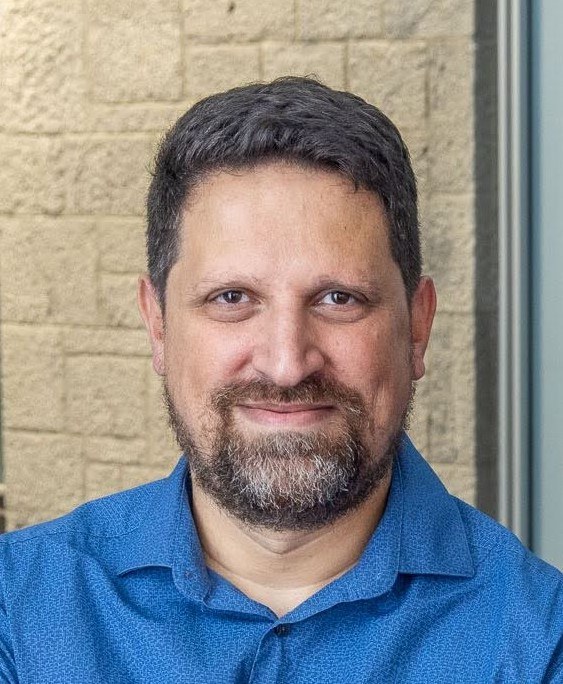
The Neuro, McGill University · Montreal, Canada
Leads the international effort to build a natural history of SPG76.
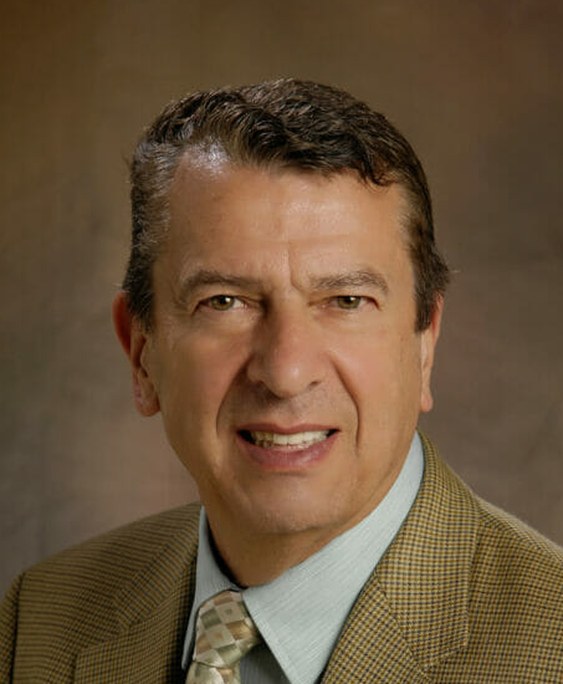
Western University of Health Sciences · California, USA
Studies calpains, the enzyme family affected in SPG76, and is working to test a calpain-2–targeted approach in the SPG76 mouse model.
Brazil
A research network in Brazil is developing a gene-replacement approach for SPG76, working with patients' cells and the SPG76 mouse model.
What This Means for You
You are not alone. Research on SPG76 is under way on three paths. Join the patient network to hear the news first and to learn when there is a way to take part.
If you follow someone with SPG76, you can help map how the disease progresses by sharing de-identified information directly with the natural history research team at The Neuro, McGill University.
Working on SPG76, CAPN1 or a related recessive form of hereditary spastic paraplegia? We connect researchers with each other and with the people affected.
The SPG76 Research Foundation is a 501(c)(3) public charity (EIN 42-4119137). Donations support research at academic institutions, as directed by the foundation's Board of Directors.
Our Founder

A patient advocate living with SPG76 for more than a decade, Omar founded the SPG76 Research Foundation in 2026. Since then he has connected researchers in the United States, Canada and Brazil around one goal: a treatment that slows or halts SPG76.
News
October 2026
Who is working on SPG76, what has happened this year, and how patients, families and doctors can take part. All news
Patient Network
An SPG76 diagnosis can feel isolating — there are approximately 100 confirmed cases worldwide, with many more suspected undiagnosed. Join the patient network to stay informed and to hear when there is a way to take part in research.
Or email contact@spg76research.org. Your privacy is important to us. See our Privacy Policy.